
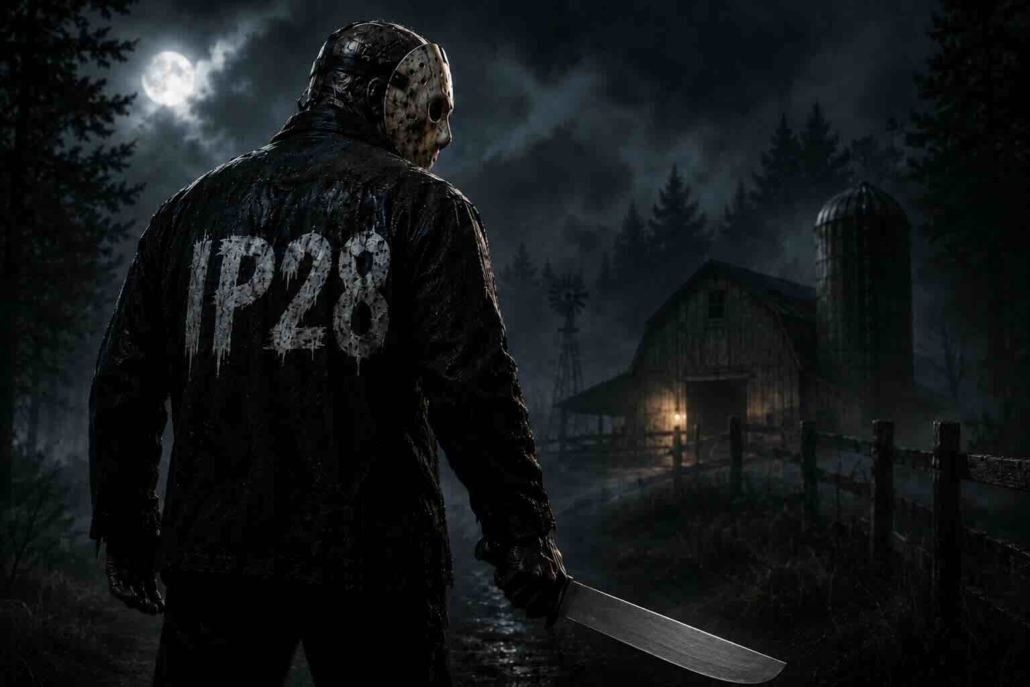
Oregon’s Political Slasher Is Back
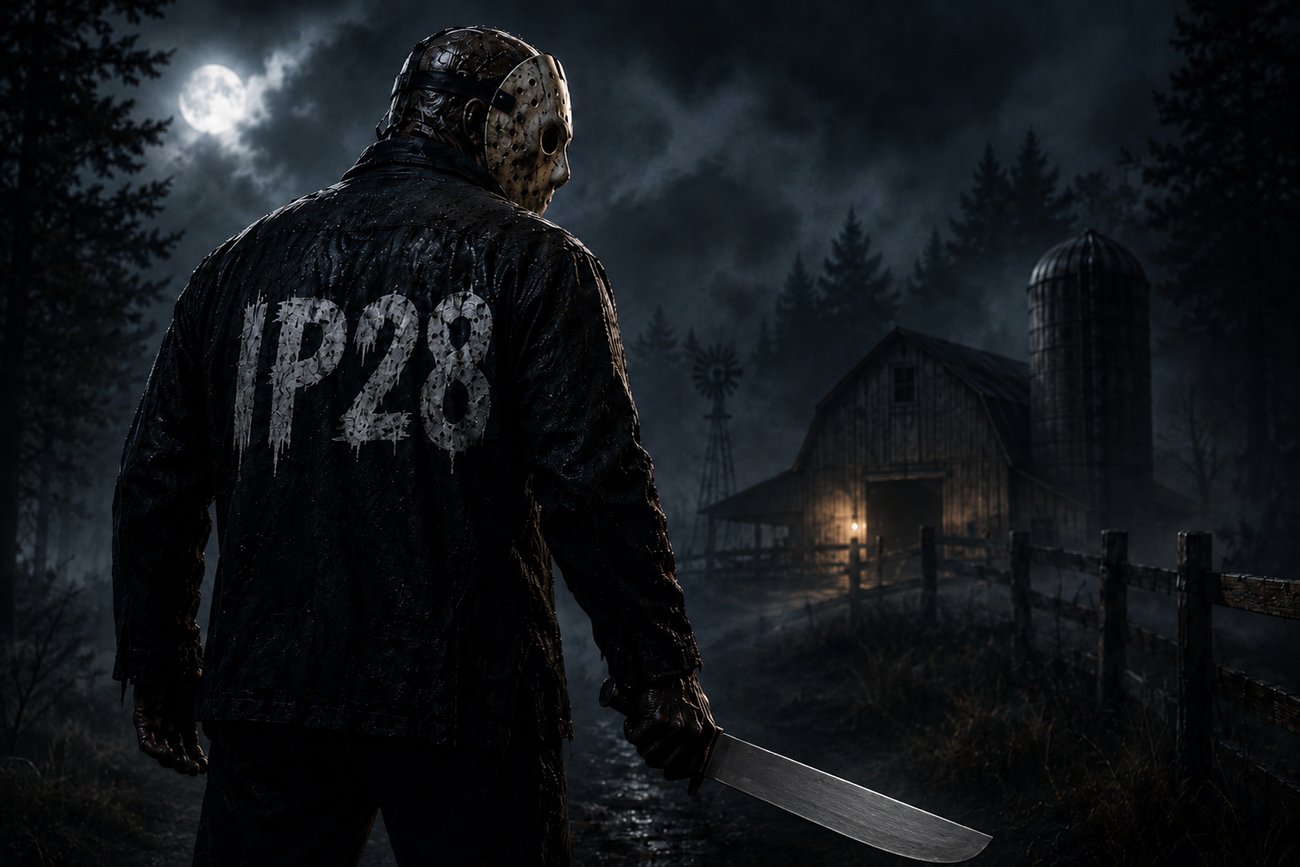
Like Michael Myers from Halloween or Jason Voorhees from Friday the 13th, Initiative Petition 28 has become a political bogeyman for Oregon hunters, anglers, and livestock producers. And just like those iconic horror movie slashers, once you think it’s finally dead, it somehow keeps coming back.
IP28 is named the “PEACE Act,” or “People for the Elimination of Animal Cruelty Exemptions.” For background, animal cruelty in Oregon is defined as “intentionally, knowingly, or recklessly” causing physical injury to an animal. However, there are exemptions in place for hunting, fishing, wildlife management, agricultural research, pest control, and “good animal husbandry practices” — things like proper nutrition, shelter, branding and dehorning cattle, castrating bulls, and other measures intended to keep animals safe, healthy, and productive.
The folks behind IP28 want to eliminate all of those exemptions, except for self-defense and veterinary care. They argue the initiative doesn’t change the definition of animal cruelty in Oregon, it only changes who is protected under that definition.
“Using the killing of animals as a strategy to meet our needs is a choice, and our campaign wants to propose making a different one,” the campaign states.
But opponents argue this would have severe repercussions for the state’s economy and way of life: hunting and fishing? Banned. Ranching and dairy farming? Practically impossible. County fairs? No more FFA and 4-H livestock shows. Rodeos? Farewell, Pendleton Round-Up. Even killing a mouse inside your home could snap you up in legal trouble.
If all this sounds familiar, that’s because it is. The same petition has been circulated twice before in recent years, first as IP13 and then IP3. Both times, petitioners failed to collect enough signatures to qualify for the ballot. Now, IP28 has collected more than 120,000 signatures, and though they have yet to be certified by the state there is a good chance this initiative will come before voters in November.
Despite broad and bipartisan opposition, IP3/13/28 keeps rising from the dead. The slasher never stays down for long.
Backed significantly by out-of-state animal rights organizations and advocates, including $20,000 from PETA, $11,000 from World Animal Protection, and a $25,000 loan from San Diego-based advocate Amit Dhuleshia, supporters of IP28 have successfully been playing the long game. The strategy is no big secret — according to the campaign’s own website, they acknowledge they’re not likely to win 50% of the vote this year and that it “may take some time before a majority of Oregonians are ready to stop killing animals.
“When that time comes,” they continue, “(we) think many ranchers/farmers will have already begun that transition process in response to shifting attitudes towards how we treat animals.”
Which, if you read between the lines, suggests that even if IP28 is overwhelmingly rejected in 2026, supporters are already thinking beyond this election cycle.
Meanwhile, opponents of IP28 highlight the potential harm IP28 would have statewide. According to the Oregon Hunters Association, hunting and fishing generate more than $1.9 billion in annual economic activity. The state Department of Fish and Wildlife also depends on revenue from hunting and fishing licenses, tags, and the federal excise tax on sporting goods to fund wildlife conservation and management programs.
Ranching and commercial fishing also represent major contributors to Oregon’s economy. Oregon State University reports the cattle industry alone contributes $900 million-plus annually while supporting thousands of jobs. Marine and commercial fishing also generated $1.1 billion in total economic activity in 2025.
These are substantial numbers, and though IP28 promises a “Humane Transition Fund” to help with food assistance and lost income, that’s of little comfort to sportsmen and ranchers who stand to lose their livelihood and way of life. Opponents also state this initiative threatens tribal hunting and fishing rights, with no exemptions made for tribes.
With so much at stake, it’s little wonder why there’s such broad opposition to IP28. It isn’t every day you see industry groups like the Oregon Farm Bureau, Cattlemen’s Association, and Hunters Association banded together with conservation groups like Ducks Unlimited and the Theodore Roosevelt Conservation Partnership. Even gubernatorial rivals Tina Kotek and Christine Drazan agree this initiative is a bad idea.
Whether voters ultimately view IP28 as a long-overdue animal welfare measure or an attack on rural Oregon, one thing is becoming increasingly clear: this debate is not going away. What began as a fringe proposal has evolved into a well-funded, long-term campaign backed by activists determined to reshape how Oregonians recreate, feed themselves, and interact with animals.
The only question now is whether voters view IP28 as necessary reform, or a step too far. Like any good slasher villain, this debate seems determined to survive until the next sequel.

