
Salem Mayoral Debate Highlights Shared Opposition to New Business and Transit Taxes
Editor’s note: This article is the first in a multi-part series examining the 2026 Salem mayoral race, focusing on the January 12 debate and areas of agreement between the candidates. Future pieces will examine how Mayor Julie Hoy and Councilor Vanessa Nordyke are each making their case to voters.
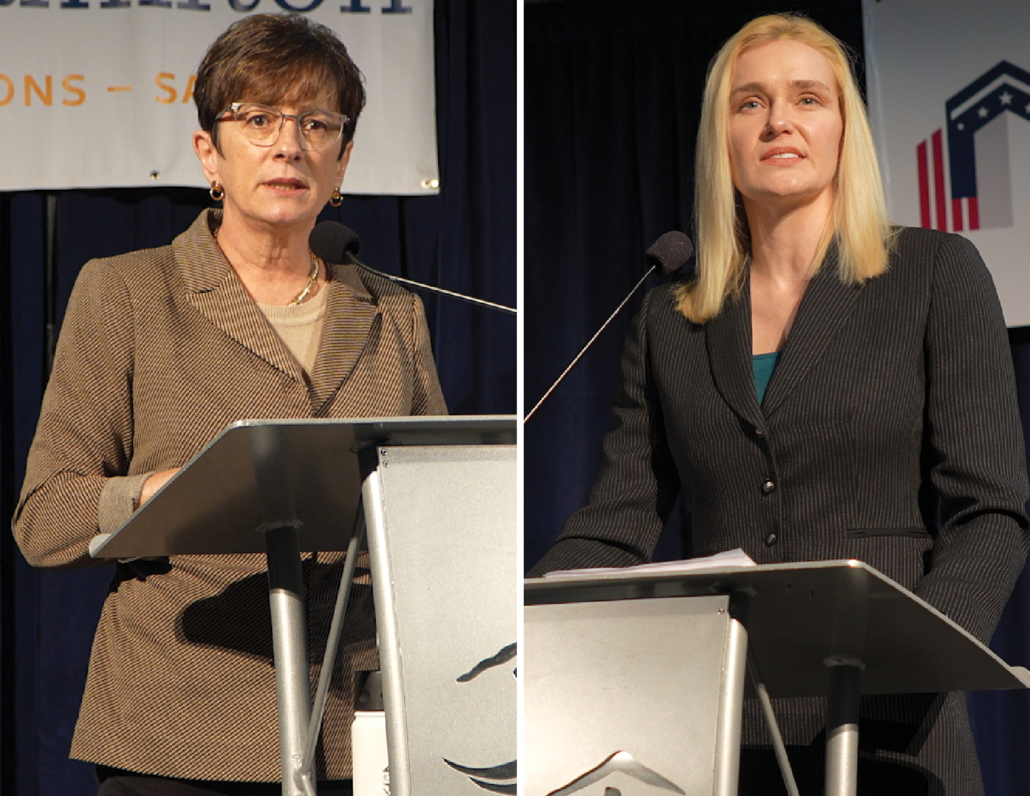
The Salem Area Chamber of Commerce mayoral forum offered voters an unusually clear look at where the city’s two mayoral candidates agree — particularly on issues affecting employers, fiscal policy, and the city’s near-term economic direction.
Mayor Julie Hoy and City Councilor Vanessa Nordyke appeared together for a wide-ranging discussion that touched on city finances, transportation funding, downtown conditions, homelessness, and the role of city leadership. While the candidates differed in emphasis and tone, the most notable takeaway from the forum was the amount of common ground they shared on core business-related issues.
Both candidates stated that they do not support new payroll or wage taxes and committed to not pursuing any new taxes or fees on Salem businesses for at least the next 18 months. Both also voiced opposition to the proposed employer-paid payroll tax being considered by Cherriots, the regional transit district.
That alignment stood out in a city where wage-tax proposals have played a decisive role in recent elections. Just one year ago, Salem voters rejected a city-proposed employee-paid payroll tax by a margin of more than 80%, a result that reshaped the city’s political landscape and fiscal approach.
Improved Finances and a Stabilized Budget
The candidates also agreed that Salem’s financial position has improved significantly over the past year. The city, which previously faced a large structural deficit, is now operating in surplus. City leaders are discussing refunding certain downtown parking assessments, reflecting what both candidates described as markedly improved budget conditions.
While they framed the turnaround differently, neither candidate disputed the shift in the city’s fiscal outlook. Both emphasized the importance of maintaining stability and avoiding sudden changes that could negatively impact employers, residents, or city services.
Proposed Cherriots Payroll Tax
The proposed Cherriots payroll tax emerged as one of the clearest points of agreement during the forum. Both Hoy and Nordyke said they oppose the measure, citing concerns about additional cost burdens on employers and workers.
Their shared opposition suggests that resistance to payroll-based taxation remains a bipartisan position in the mayoral race, even as broader conversations continue about how to fund transit service and regional mobility.
Downtown and Homelessness Challenges
On downtown conditions and homelessness, both candidates acknowledged that challenges remain. Hoy pointed to ongoing efforts to improve safety, cleanliness, and economic activity, while Nordyke emphasized the need for coordination, public engagement, and long-term solutions.
Hoy noted her role as chief petitioner on a proposed ballot measure intended to give the city additional tools to address homelessness and encampments. Nordyke expressed support for addressing homelessness through a combination of services, policy coordination, and community involvement.
Despite differences in emphasis, both candidates framed homelessness and downtown recovery as priorities requiring sustained attention rather than quick fixes.
Leadership from the Mayor’s Office
The debate also highlighted differing views on how visible and active the mayor’s office should be. Nordyke spoke about the importance of using the office to elevate issues and engage the public, while Hoy emphasized continuity, collaboration, and a focus on operational governance.
Both candidates described partnership and cooperation as central to effective leadership, though they articulated those ideas in different ways.
Debate Establishes Baseline for Campaigns Moving Forward
For an audience accustomed to sharp partisan divides, the forum was notable for how much agreement emerged. On taxes, fees, and near-term fiscal policy — issues of particular interest to the business community — the candidates’ positions closely aligned.
As the mayoral race moves forward, the debate established a clear baseline: regardless of who is elected, Salem’s next mayor will take office in a city no longer facing an immediate fiscal crisis, with both candidates pledging restraint on new business and transit taxes.
Future installments in this series will examine how each candidate is building on that shared foundation — including Mayor Hoy’s case for continuity and Councilor Nordyke’s case for a different approach to leadership, governance, and the role of city government.

